
William Hanna: Routine, Rhythm, and Relevance
How we can use old school thinking for new world living.

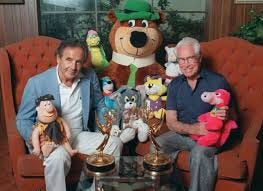
This is the second in my short series on how to use the routines of some famous people in animation in an increasingly distracted world. This week, William Hanna. I hope you enjoy it; feel free to share, subscribe, and restack.
Find a Rhythm in Routine
William Hanna’s early love for music had him playing saxophone in a dance band, which later translated into a deep understanding of timing and rhythm in animation. He believed that animation was like music: it needed structure, tempo, and flow. His mornings often began with reviewing storyboards and refining timing charts, not with distractions but with a present focus on the flow of what was happening.
In today’s world of constant pings and notifications, Hanna’s rhythm-based approach reminds us that creativity benefits from cadence. Whether you're animating or writing, setting a daily tempo can help ideas flourish.
Precision, Not Perfectionism
Hanna was known for his meticulous attention to detail. He didn’t chase perfection; he chased clarity. He believed in getting the job done well and on time. At MGM and later at Hanna-Barbera, he helped streamline production processes, ensuring that animation could be delivered efficiently without sacrificing quality.
In our digital age, where endless revisions and procrastination are standard, Hanna’s ethic is a reminder that precision and deadlines can be powerful creative tools.
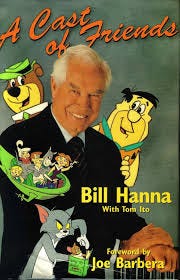
Innovation Within Constraints
Faced with the challenge of producing animation for television on a budget, Hanna helped pioneer limited animation techniques. He embraced constraints as opportunities to innovate, focusing on strong characters and storytelling rather than elaborate visuals.
Today, with access to countless digital tools, Hanna’s approach teaches us that limitations can fuel creativity. Sometimes, less really is more. Go on, delete that app.
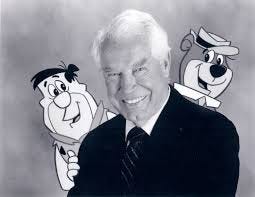
Consistency Over Chaos
Hanna’s work ethic was rooted in consistency. He showed up every day, whether the ideas were flowing or not. He believed that steady effort was the key to building something lasting. His partnership with Joseph Barbera lasted over five decades, built on mutual respect and shared discipline.
In a world of gig work and shifting priorities, Hanna’s consistency is a model for anyone seeking longevity in their creative career. It’s tough, we live in a distracted world, but that consistency can really nudge the needle in your direction.
Refine, Reuse, and Reinvent
Hanna didn’t discard ideas; he refined them. He reused successful formats and characters, tweaking them to fit new contexts. From Tom & Jerry, The Flintstones, to Scooby Doo, his work evolved without losing its core appeal.
In today’s fast-paced digital landscape, where novelty often trumps nuance, Hanna’s method reminds us that reinvention doesn’t always mean starting over. Sometimes, it means going deeper.
Wrapping it all up.
William Hanna (1910–2001) wasn’t just an animator; he was a builder of habits, a master of rhythm, and a quiet force of creative discipline. His routines and mindset offer timeless lessons for anyone navigating the noisy, screen-filled world of modern creativity.
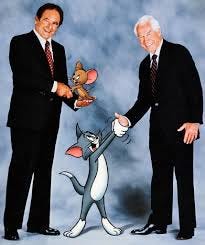
How to be More Hanna
Set a Daily Creative Rhythm
Inspired by Hanna’s musical timing and focused mornings, modern creatives can benefit from establishing a daily routine with consistent time blocks for deep work, free from digital distractions. This rhythm supports flow and boosts creative output.
Embrace Constraints to Spark Innovation
Rather than viewing limitations as obstacles, Hanna used them as a springboard for originality. In today's world overflowing with tools and options, intentionally setting boundaries (like time limits, fewer apps, or reduced resources) can lead to sharper ideas and more distinctive work.
Prioritise Precision Over Perfection
Hanna valued clarity and completion over endless tinkering. By focusing on doing things well and on time, rather than flawlessly, modern creatives can move projects forward, build confidence, and learn through iteration.
Thank you so much for taking the time to read Animated, and I hope you can try and be a little more Hanna :) Next week, I will look at his animation partner, Joseph Barbera, and then it will be time for the women in the animation industry, too.
There is a real connection between animation and music. Maybe many of us animators are just frustrated musicians. This made me think of The Firehouse Five Plus Two - the band made up of Ward Kimball, Frank Thomas and other animation artists of that era.
Hanna's unique approach to timing and staging action marked him as an extremely influential animation director. In American television animation, his staging was a trademark of the studio that bore his name, and is still obvious in the work of current animators.