
Walt Disney’s Secret Weapon: Focus Over Fantasy
How the visionary behind Mickey Mouse built an empire through structured habits and sustained attention, not just dreams.


Walt Disney’s Work Routine & Modern Life
I was inspired to pivot a little for the next few weeks and look at some big hitters in animation, how they structured their days and what we can learn as we live in the screen-time era. I did this after reading the brilliant A Narrative Of Their Own and the post about the writing rituals of Virginia Woolf. I have also been a long-time listener, reader and consumer of Cal Newport whose work also nudged me in this direction.
How the architect of imagination mastered focus, routine, and creative output
Walt Disney is a name synonymous with wonder and storytelling, but the empire he built wasn’t born from flights of fancy alone. It was constructed through sustained, focused effort, a work ethic that mirrors what Cal Newport calls ‘Deep Work: the ability to produce at an elite level through distraction-free concentration.
This is a look at how Disney’s daily habits, creative process, and disciplined mind turned imagination into industry, long before the internet, time-tracking apps, or productivity hacks.
From Paperboy to Focused Professional
As a boy delivering newspapers before school, Walt Disney learned the power of routine at an early age. That habit of early rising, often around 5:30 a.m., stayed with him for life. His mornings were intentional. Black coffee. Minimal distraction. Straight to the studio.
Disney wasn’t a slave to routine for its own sake. Instead, he designed his days around a singular principle of being present and purposeful. Whether walking the halls of his studio or dropping into story meetings, his attention was fully engaged with the task at hand.
Key Takeaway: Time-block your day around high-leverage activities.
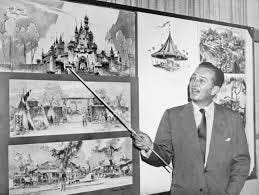
Relentless Focus: ‘I Stick with Problems Longer.’
Disney didn’t attribute his success to innate brilliance. He credited endurance. When he lost the rights to Oswald the Lucky Rabbit or was told that sound cartoons were doomed, he focused harder.
He worked six (often seven) days a week. His workspace was a live environment: not a museum of accomplishments but a place of continual iteration. Though he began as an animator, Disney later shifted his focus to story, performance, and direction, refining emotional timing and narrative flow through deliberate practice by developing judgment, pacing, and emotional timing through constant feedback and revision, believing in slow mastery over scattered motion.
Key Takeaway: Focus trumps talent when honed with intensity.
Story First. Always.
Walt Disney’s animators were pioneers of technology. But to Disney, technology was never the point; the story always was, and he drilled his team on this. Emotional resonance mattered more than novelty, which is why Snow White worked, not just because it was the first, but because it moved people, it connected on that important emotional level.
In meetings, he would act out scenes, speak dialogue, and even cry during rough cuts. Emotional clarity was the North Star for the Disney Studio. Every draft was ‘plussed’, which was a studio term for purposeful revision. No iteration was wasted.
Key Takeaway: Clarity about what matters leads to meaningful results.
Strategic Rest and Recharging
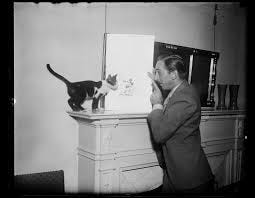
Though intense, Disney understood the importance of purposeful rest. Walking his dog, Lady, or tinkering with model trains, and at one point, scaled trains, weren’t escapes, but rather mental shifts. They allowed for idea incubation without full disengagement.
This was what would be called productive meditation. This is the allowance of mental space for ideas to deepen during low-stimulation activities (no screens, please).
Key Takeaway: Rest strategically to support sustained focus.

The Demanding Boss Who Raised the Bar
Walt didn’t micromanage every detail, but he made decisive, creative calls. He expected others to rise to the challenge, often pushing them beyond what they believed possible. This drove the craftsman mindset, prioritising value and improvement over comfort or recognition. Loyalty was earned by delivery, not flattery.
Key Takeaway: Mastery demands intensity and high standards.
Cultural Legacy: Systems of Focus
Disney’s work habits became the standard for the studio culture. Daily story reviews, constant ‘plussing,’ and emotional precision helped cultivate some of the greatest animators of the 20th century. It wasn’t about pace, it was about process.
Studios like Pixar still follow this rhythm: structured review, protected creative time, and an unwavering respect for story.
Yes, we all know that Disney had lean times, especially during World War II. There have been several incidents in the company's history that would be the subject of further articles. Still, in this article, I am highlighting how we can draw inspiration from the work ethic of a famous person in animation and apply it to create a deeper connection to what we hold dear.
Key Takeaway: Culture reflects the workflows you design.
Three Newport-Aligned Takeaways
Sustained Attention Outperforms Raw Talent
Focused persistence solves problems that talent alone can’t.
Tools Are Secondary to Vision
The best technology won’t save a weak idea. Invest in clarity first.
Shift, Don’t Escape
Use active rest, such as walking, tinkering with a hobby, or reflection, not mindless distraction, to fuel long-term creativity.
Final Thoughts
Walt Disney didn’t just dream. He did the hard work of showing up, focusing deeply, and revising endlessly. His story is a blueprint for producing high-value, meaningful work, not through hustle culture, but through thoughtful systems, sustained focus, and a belief that even magic requires structure.
I hope that you have enjoyed reading this change of pace. Please feel free to share, like, and comment. You can also tinker or go for a walk. :)
Fascinating! Thanks for the mention.
This is so interesting, I love learning more about the rituals of famous creatives :) thanks for sharing