
Godzilla and Godzooky: From Nuclear Horror to Family-Friendly Animation
How a Reimagined Kaiju Shaped Pop Culture and Modern Entertainment

Godzilla and Godzooky: A Journey Through Animated History
Welcome to Animated, the Substack, where I delve into the fascinating world of animation—from hidden gems to the stories behind the scenes of your favourite classics. If you enjoy reading thoughtful and engaging content about animation, why not join the conversation with a free or paid subscription?
As a child, I was in awe of how cartoons evolved and could originate from different countries, being retold for a new audience or generation. This week's research has led me back down this path. Before you read, though, one disclaimer- I have adopted the spelling Godzooky, although I know it can also be spelt Godzuki.
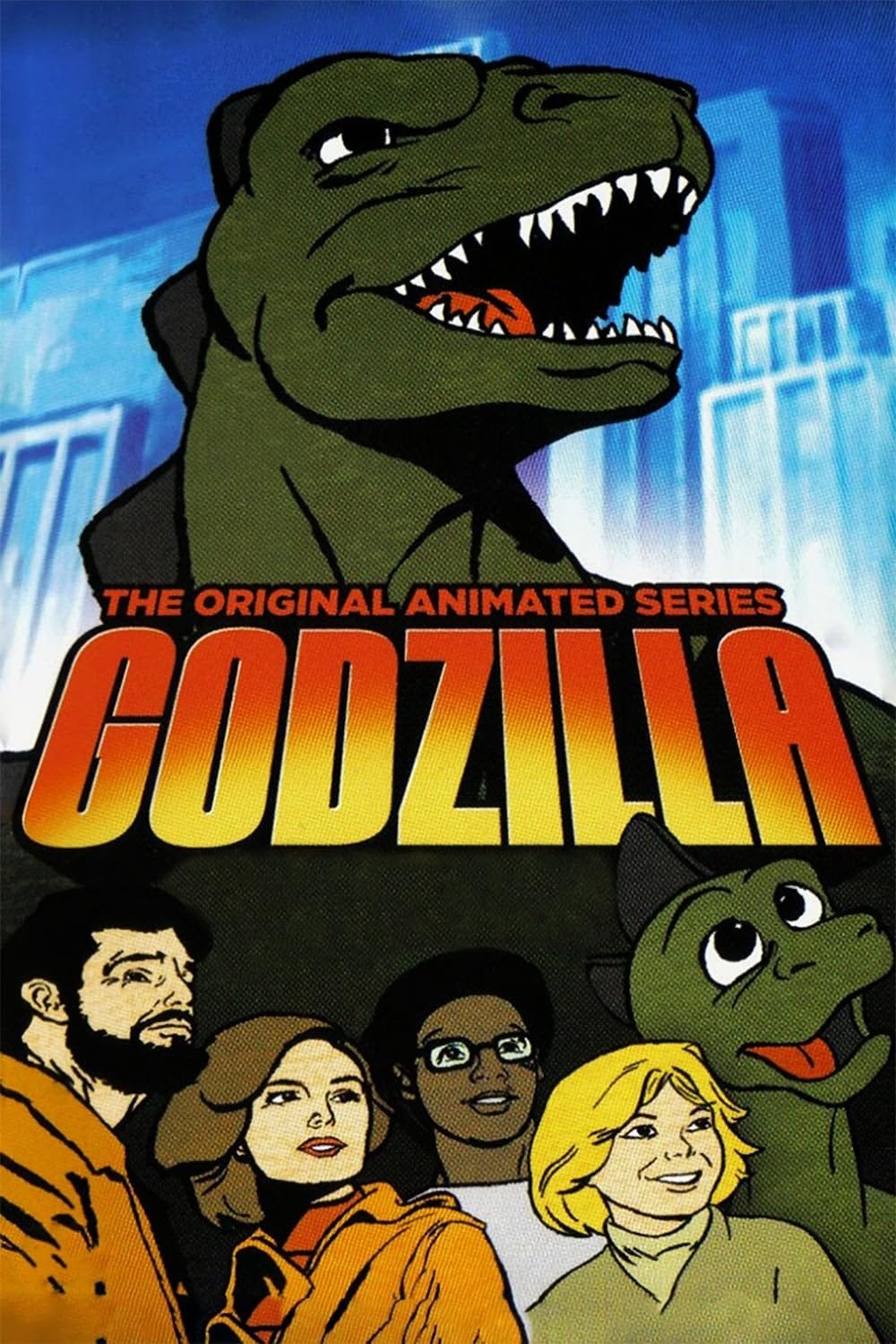
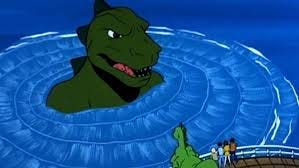
The animated series Godzilla and Godzooky offers a delightfully quirky reimagining of one of cinema’s most iconic monsters. Departing from the grim, nuclear allegory of the original 1954 film Gojira, which served as a poignant commentary on nuclear devastation, the series transforms the mighty Godzilla into a more affable, albeit still formidable, creature. Accompanying him is a young, comically endearing sidekick, Godzooky. In this essay, we traverse the animated timeline, examining the series’ inception, evolution, and its lasting influence on animation and popular culture.
Origins and Evolution
Godzilla first burst onto screens in 1954 with the Japanese classic Gojira, establishing a dramatic origin steeped in the anxieties of nuclear devastation. By the late 1970s, the world of animation was ripe for reinvention.
In 1978, the American animation studio Hanna-Barbera launched Godzilla and Godzooky, capitalising on the monster’s worldwide recognition while appealing to a younger audience. This shift in tone transformed a once-serious kaiju into a light-hearted character, crafted to entertain families and inject humour into the monster mythos. Over subsequent years, the series benefited from updates in animation techniques and voice performances, ensuring that both nostalgic fans and new viewers could enjoy its playful reinterpretation. Modern streaming releases and DVD reissues have further cemented its place in animation history.
Key Characters
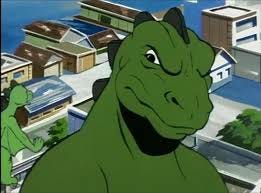
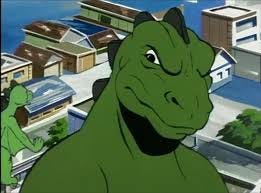
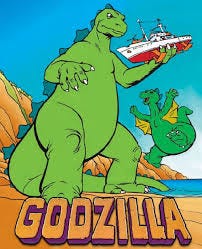
Godzilla: Reimagined from his original, destructive persona, Godzilla is portrayed as a benevolent giant whose imposing presence leads to unexpected misadventures.
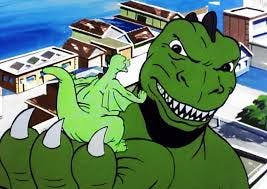
Godzooky: The youthful sidekick embodies exuberance and comic relief, and his slightly clumsy demeanour and cheeky antics make him an instant fan favourite.
Narrative Threads
The series unfolds through episodic adventures that skilfully blend slapstick humour with classic monster tropes. Episodes such as The Monster’s Mischievous Morning and A Day in the Life of a Gentle Giant capture the show's essence: Godzilla and Godzooky inadvertently cause chaos while trying to assist humanity or simply navigate the modern world.
Recurring themes include the clash between monstrous instinct and civilised conduct, the importance of friendship, and the perennial struggle to live up to one’s legend. This clever use of narrative allowed the series to parody its cinematic roots and comment on contemporary society, all while maintaining a playful tone.
Cultural Impact
The cultural resonance of Godzilla and Godzooky extends far beyond its original television run. By reimagining an emblematic monster in a more approachable and humorous light, the series tapped into the late-1970s zeitgeist—a period marked by a shift towards lighter, escapist entertainment.
This evolution mirrored broader societal changes as audiences embraced nostalgia and self-referential humour. In the early 1980s, commercials featuring miniaturised Godzooky figures were broadcast across British television, boosting viewership and opening the door to a wide array of merchandise and cross-promotional opportunities.
Extensions and Merchandise
The animated series’ success spawned numerous spin-offs and related works. The franchise expanded into a vibrant merchandise market, with products ranging from action figures and clothing lines to a limited-edition board game that captured the series' imaginative spirit. Regular re-run syndications and occasional holiday specials further reinforced the brand’s identity, ensuring that the series remained in the public consciousness and influenced modern animated franchises.
Enduring Legacy
Decades on, the legacy of Godzilla and Godzooky continues to spark animated discussion. Its innovative approach to reinterpreting a classic cinematic icon paved the way for later animated adaptations that blend nostalgia with modern sensibilities.
The series has been preserved through remastered DVD collections and digital streaming platforms, ensuring that its influence endures. Contemporary animators frequently cite the show as an early example of how humour and heart can transform even the most imposing characters, leaving an indelible mark on the evolution of animated storytelling.
Facts of Fun
Godzooky was initially conceived as a humorous foil to Godzilla’s stoic demeanour, a design choice that proved pivotal to the series’ charm.
A particularly memorable episode, The Gentle Giant’s Day Out, features an unexpected cameo by a character modelled on a famous British comic strip hero, nodding to the nation’s rich pop culture heritage.
The series was one of the first animated shows to combine profound monster mythology with slapstick comedy, setting a precedent for future hybrid animated genres.
Final Thoughts
Godzilla and Godzooky are a testament to the power of reinvention in animation. By transforming a symbol of cinematic terror into a character of charm and humour, the series entertained and inspired a generation of animators and fans alike. Its evolution—from the original 1954 monster films to a light-hearted, family-friendly cartoon—illustrates a remarkable journey through artistic innovation and cultural adaptation.
As new generations discover the series through remasters and streaming platforms, its enduring legacy continues to enrich the landscape of animated storytelling, ensuring that Godzilla and Godzooky remain icons and universally appealing animation brand.
If you have a spare seven minutes, there is one here to watch, too: Godzilla.
Hanna-Barbera licensed Godzilla via Henry Saperstein, who was serving as a North American middleman for Toho Studios, the Japanese studio from which Godzilla emerged. Saperstein had previously run the American animation studio UPA.
Godzooky was very much a Hanna-Barbera house character, designed to provide comic relief in the midst of dramatic. He was portrayed by Don Messick, who played many such characters for the studio.
The mid-1990s Devlin/Emmerich film revival of Godzilla inspired a new animated series, which had more of a serious tone. Though a commonality between the two series was the fact that Godzilla regularly engaged in combat with far more villainous kaiju than himself.
I loved Godzilla and Godzooky on a Saturday morning as a child! I never knew the background to it though- thank you for sharing :)